
Egypt's Maritime Gateway
Port Said Travel Guide
Step into the "Valiant City," where the Mediterranean meets the Suez Canal. Experience a unique blend of 19th-century European architecture, revolutionary Egyptian history, and the vibrant life of one of the world's most important maritime hubs.
The Mediterranean's Gateway: An Overview of Port Said
Port Said is a place where geography and history converge in a spectacular fashion. Established in 1859 at the northern entrance of the Suez Canal, it was named after Said Pasha, the Khedive of Egypt at the time. Unlike the ancient, winding streets of Cairo or the thousand-year-old temples of Luxor, Port Said is a triumph of 19th-century modernity. It was planned with a systematic grid of wide streets, elegant squares, and a cosmopolitan soul that welcomed the world. For over a century, it served as a refueling stop for the grand liners of the British Empire and the French merchant fleets, creating a unique urban identity that persists today.
The city is physically divided from its quieter counterpart, Port Fouad, by the deep blue waters of the canal itself. While Port Said is a bustling center of commerce, duty-free shopping, and maritime industry, Port Fouad offers a serene contrast with its tree-lined boulevards and colonial villas. Together, they represent a dual identity: a valiant city that has survived invasions and a peaceful port that facilitates global trade. For the traveler, Port Said is a walking museum. The skyline is dominated by the iconic green domes of the Suez Canal Authority building, and the streets are lined with the famous "wooden balconies"—intricately carved verandas that speak to a time when French and Italian architects shaped the city’s Mediterranean face.
Beyond its buildings, Port Said is defined by its people and their pride. Known as "El Madina El Basela" (The Valiant City), it is a place of resistance and resilience. The local culture is a rich tapestry woven from the sea, where traditional Simsimia music echoes the struggles of the past, and the aroma of fresh Mediterranean seafood defines every meal. Whether you are watching a 200,000-ton container ship glide past the Corniche or exploring the historic military museum, Port Said offers a depth of experience that is both intellectually stimulating and viscerally beautiful.
Why Visit Port Said?
While it may not have the pyramids, Port Said offers a unique Egyptian encounter that is increasingly popular with discerning travelers. Here are five compelling reasons to visit:
1. The Suez Canal Spectacle
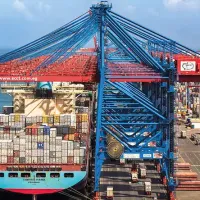
It is the only place on earth where you can witness the sheer scale of global shipping from a park bench. Seeing these massive vessels transition from the vast Mediterranean into the narrow canal is a humbling and awe-inspiring sight that never gets old.
2. Historic Architecture
The city is a treasure trove of Belle Époque and Art Deco styles. The wooden balconies of Port Said and the French villas of Port Fouad provide a unique aesthetic that links Egypt to the wider Mediterranean heritage of the 19th century.
3. A Taste of the Sea
Port Said is the seafood capital of Egypt. The quality and freshness of the catch here, combined with specialized local recipes like 'Sayadeya' (spiced rice with fish), make it a mandatory stop for any culinary explorer.
4. Duty-Free Shopping
As a free zone, Port Said attracts shoppers from all over the country. You can find excellent deals on textiles, leather goods, and international imports that are often cheaper here than anywhere else in the Middle East.
5. Modern History
For those interested in the 20th century, Port Said is the epicenter of the Suez Crisis. Its museums and monuments tell the story of Egypt’s struggle for independence and the end of the colonial empires in the region.
Deep Roots: The Dramatic History of the Canal City
The birth of Port Said was a global event. In April 1859, Ferdinand de Lesseps, the French diplomat and entrepreneur, struck the first blow of a pickaxe into the sand, marking the beginning of a construction project that would change the map of the world. For ten grueling years, hundreds of thousands of workers—many of them Egyptian peasants working under the corvée system—toiled to connect the Mediterranean to the Red Sea. Port Said was built on the artificial land created by the dredging of the canal, rising literally from the sea floor to house the new waterway's administrative heart.
During the late 19th and early 20th centuries, Port Said became a legendary crossroads. It was the last stop for soldiers heading to the Boer War or the Raj in India, and the first sight of "civilization" for those returning to Europe. This cosmopolitan era left an indelible mark on the city's culture. European communities flourished, building churches like St. Eugenie and establishing clubs and cafés that mirrored the lifestyles of Paris or Rome. However, this era was also one of colonial tension, as the British and French controlled the canal company, often at the expense of Egyptian national interests.
The definitive turning point in the city’s history came in 1956. After President Gamal Abdel Nasser nationalized the Suez Canal, Britain, France, and Israel launched a coordinated military attack—known as the Tripartite Aggression or the Suez Crisis. Port Said was the battlefield where the old colonial order made its final stand. For weeks, the city's residents engaged in fierce resistance against the invading paratroopers and marine units. The city was heavily damaged, but the political outcome was a victory for Egypt, leading to the withdrawal of foreign forces. This resistance transformed Port Said into a symbol of Arab nationalism and sovereignty. Today, tourists can visit the sites of these legendary battles and see the scars of history that have been integrated into a thriving modern metropolis.
Cultural life in Port Said is also unique. The city is the home of the Simsimia, a traditional stringed instrument similar to an ancient lyre. The music of the Simsimia was the soundtrack to the resistance, with folk songs composed on the front lines to boost morale. Even today, you can hear its distinctive, rhythmic twang in the city’s coffee shops, a reminder that the spirit of the valiant city is as much about art and music as it is about trade and war.
Must-See Landmarks and Attractions
The Suez Canal Authority Building
No image represents Port Said more than the headquarters of the Suez Canal Authority. Completed in 1895, this palace-like structure features three magnificent pale-green domes that mimic the color of the Mediterranean waters. The building’s architecture is a fusion of Islamic and European styles, with grand arches, verandas, and a central courtyard. Located directly on the canal's entrance, it remains the nerve center for all ship transit operations. While the interior is reserved for officials, the building is the city's primary photographic landmark, especially when viewed from the ferry at sunset.
The Port Said Lighthouse
Historical engineering enthusiasts must visit the Port Said Lighthouse. When it was built in 1869 to commemorate the canal's opening, it was a miracle of modern materials: the first structure in the world built using reinforced concrete. Standing 56 meters tall, the octagonal tower was designed to withstand the harsh coastal winds and the salt of the Mediterranean. Although it no longer serves as a functioning lighthouse, it remains a pillar of the city’s harbor, offering a stark and beautiful silhouette against the sky.
Port Said Military Museum
For a deep dive into the 1956 Suez Crisis, this museum is unrivaled. It is divided into several halls that document the history of the Egyptian military from the Pharaonic era to the present, with a heavy focus on the 20th-century conflicts. The outdoor section is particularly popular, featuring a collection of captured Israeli and British tanks, armored vehicles, and even aircraft. Inside, detailed dioramas and original documents from the resistance provide a moving tribute to the people who defended the city.
The De Lesseps Walk & Statue Base
The De Lesseps Walk is a beautiful jetty that extends into the Mediterranean, offering the best views of the colossal ships lining up to enter the canal. At the end of the walk stands the massive stone pedestal that once held the statue of Ferdinand de Lesseps. The statue was famously pulled down by the people of Port Said during the 1956 revolution as a symbol of the end of colonial rule. Today, the empty base serves as a powerful monument to Egyptian independence and a favorite spot for locals to fish and enjoy the sea breeze.
St. Eugenie Church & The Italian House
Walking through the European quarter, you will encounter gems like the Latin Cathedral of St. Eugenie, built in 1890 with a beautiful Italian marble altar. Nearby is the Casa d’Italia (Italian House), a fascist-era architectural landmark built by Mussolini's government to serve as a cultural center for the Italian community. Its clean, imposing lines are a stark example of the diverse architectural influences that converged in this port city.
Authentic Experiences: Live Port Said Like a Local
The Port Fouad Garden City Exploration
Board the free "Maadeya" ferry for the five-minute crossing to Port Fouad. It is a transition between continents—from Africa to Asia. Once there, walk through the "Garden City" district. Built in the 1920s, it is known for its French-style villas with red-tiled roofs, flourishing gardens, and the scent of flamboyant trees. Visit the Al-Salam Mosque, whose white minarets are a stunning landmark visible across the water.
The Fish Market Ritual
The Port Said Fish Market is not just a place to buy food; it is a cultural ritual. The market is filled with the daily catch of the Mediterranean—shrimp, calamari, crabs, and dozens of species of fish. Local custom dictates that you select your fish at the stall, negotiate the price, and then hand it to a nearby "cooking stall" to be prepared. The most traditional way to eat it is with 'Sayadeya' rice—a dark, caramelized onion rice that is the signature dish of the canal cities.
Ashtoum El-Gamil Birding
For nature lovers, a short trip to the Ashtoum El-Gamil National Park at the entrance of Lake Manzala is a must. During the winter and spring months, the area becomes a critical stop for migratory birds traveling between Europe and Africa. You can spot flamingos, pelicans, and various herons in the shallow waters, offering a peaceful natural escape from the city’s industrial hum.
Ask Aladdin Expert Tip
"To truly experience the soul of Port Said, time your visit for sunset at the waterfront. The best spot is a small café near the de Lesseps base. As the call to prayer echoes from the minarets of Al-Salam Mosque across the water, the giant container ships start their slow, majestic procession through the canal. It’s a moment of pure magic where time seems to stand still. Also, try the local 'Cicobani' (a local sweet shop specialty)—their ice cream and Oriental sweets are the perfect way to end a day of exploration!"
Traveling to Port Said: Practical Information
The city's strategic location makes it easily accessible from Cairo, Alexandria, and the other canal cities (Ismailia and Suez).
By Private Car or Taxi
The drive from Cairo takes approximately 2.5 to 3 hours. The most efficient route is the 30th of June Axis, a modern highway that avoids the congestion of older roads. Private transfers are the most comfortable way to travel and can be arranged through Ask Aladdin.
By Public Bus
Services like GoBus, SuperJet, and East Delta run hourly buses from Cairo's Tahrir or Almaza stations. These are very affordable and offer 'Elite' classes with WiFi and extra legroom.
By Train
The Egyptian Railway operates several trains daily from Cairo. While slower than the bus, the train journey through the heart of the Nile Delta is picturesque and offers a unique view of Egyptian rural life.
Planning Your Trip: When to Go
Like most Mediterranean cities, Port Said has a distinct seasonal rhythm. To make the most of your visit, consider the following:
Spring (March to May) is arguably the best time. The weather is cool enough for long walks but warm enough to enjoy the outdoor cafes. This is also the peak season for migratory birds at Lake Manzala. The city’s gardens, especially in Port Fouad, are in full bloom.
Autumn (September to November) is equally pleasant. The summer heat has dissipated, but the Mediterranean remains warm enough for those who want to visit the beaches. The maritime traffic is often high during this period, providing plenty of ship-watching opportunities.
Summer (June to August) is the peak for domestic tourism. Egyptians flock to the coast to escape the Cairo heat. While the humidity can be high, the city’s nightlife is at its most vibrant, with cafes staying open until the early morning hours. Winter (December to February) can be chilly and windy with occasional rain, but it has a romantic, quiet charm that many solo travelers and writers appreciate.
Essential Travel Secrets for Port Said
Customs and Duty-Free
Be prepared for customs checkpoints when leaving Port Said. Because it is a free zone, you may be asked to show receipts for significant purchases. Keep your passport and any purchase documentation easily accessible during your departure.
Navigating the City
Port Said is very safe and highly walkable. The central area, generally referred to as 'Downtown' or 'The French Quarter,' is where most hotels and sights are located. If you take a taxi, remember that fixed prices for specific distances are the norm rather than meters.
Local Etiquette
The people of Port Said are incredibly proud of their heritage and welcoming to foreigners. Modest dress is appreciated, particularly when visiting the stunning local mosques and churches. Taking photographs of the canal is generally allowed, but avoid taking photos of military personnel or sensitive installations.
Is Port Said Right For You?
This valiant city appeals to a specific palate of travel interests:
- Maritime History Enthusiasts: If you find the story of the Suez Canal and global shipping intriguing, this is your primary destination.
- Architecture Aficionados: Those who love exploring the evolution of colonial and Mediterranean urban design will find beauty in every balcony.
- Culinary Explorers: If your ideal trip includes eating fresh, expertly prepared seafood in an authentic atmosphere, look no further.
- Revolutionary History Buffs: Anyone interested in the geopolitical shifts of the 20th century and the end of the colonial era.
- Slow Travelers: Those who want to sit, watch the sea, and soak in the atmosphere of a city that feels very different from the rest of Egypt.
Embark on a Journey Through Time and Tide
From the historic docks where continents meet to the serene boulevards of Port Fouad, Port Said offers a unique Egyptian escape filled with valor, beauty, and the spirit of the sea. Let Ask Aladdin be your guide to this magnificent port city.
Plan Your Port Said Adventure Now


