
The Mediterranean Pearl
Marsa Matrouh Travel Guide
Experience the "Egyptian Caribbean," where vibrant turquoise waters meet flour-soft white sands. From the legendary baths of Cleopatra to the historical command posts of World War II, Marsa Matrouh offers a unique blend of natural splendor and ancient myth.
Discover Marsa Matrouh: The Untouched Shore
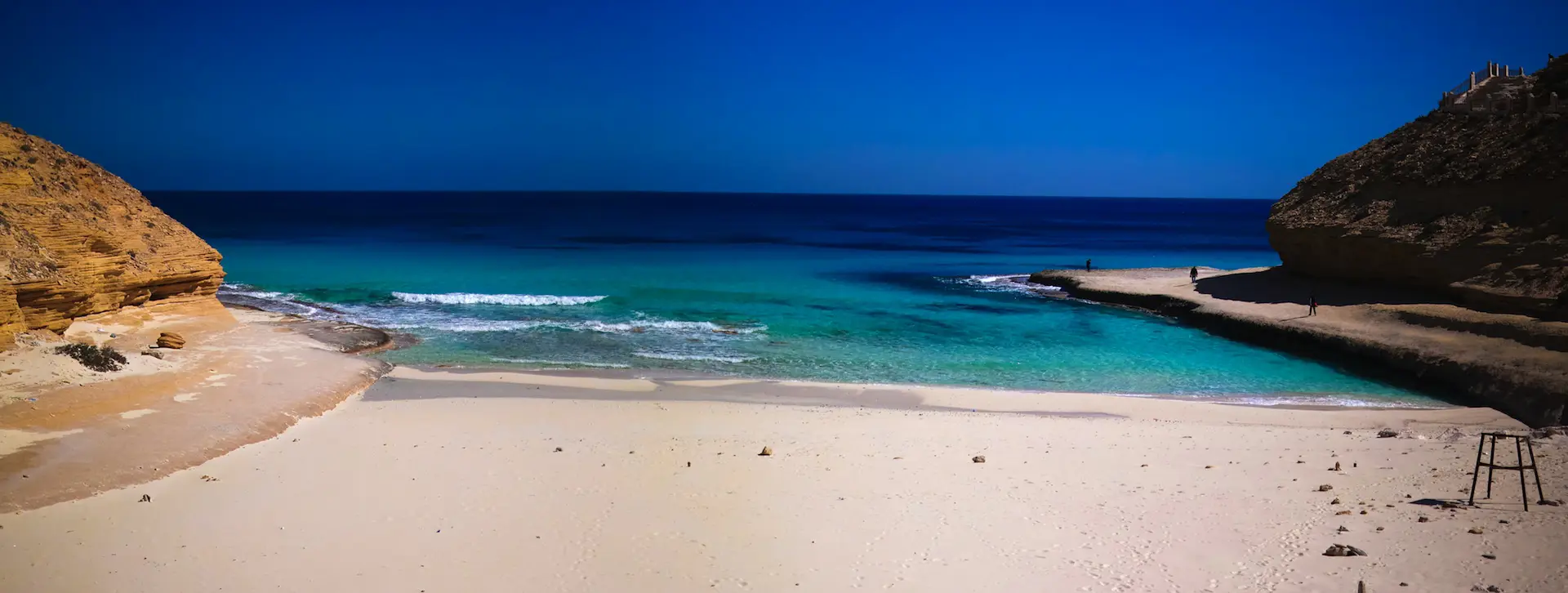
Marsa Matrouh is a major Mediterranean seaport and the capital of the Matruh Governorate in Egypt. Located roughly 240 kilometers west of Alexandria and 440 kilometers from Cairo, it offers a distinct atmosphere compared to the bustling metropolis or the Red Sea resorts. The city is built around a circular bay protected by a natural rock breakwater, ensuring that the waters within remain calm and glow with a brilliant turquoise hue, earning it the nickname "The Egyptian Caribbean."
Historically known as Paraetonium, the city has been a vital port since the Pharaonic era, serving as a gateway for pilots traveling to the Oracle of Amun at Siwa Oasis. Today, it bridges the gap between the nomadic traditions of the Western Desert Bedouins and the Mediterranean world. During summer, the vibrantly decorated Corniche comes alive as thousands enjoy the cool sea breezes and soft white sand beaches that stretch for miles along the coast.
A Deep Dive into the Beaches of Matrouh
Marsa Matrouh is defined by its shoreline. While most travelers are familiar with the main city beach, the surrounding area is packed with diverse coastal experiences. To the west, you will find Ageeba Beach, which is more than just a place to swim; it is a nature masterpiece. The cliffs here provide a stunning vantage point, and the cave systems beneath the cliffs have been used by fishermen and travelers for centuries. During the summer, a clifftop cafe opens, offering the most dramatic coffee break you will ever have, overlooking the shifting colors of the Mediterranean.
Moving closer to the city, Rommel's Beach offers a completely different vibe. It is located on a peninsula that wraps around the eastern side of the bay. The water here is shallow and incredibly calm, as the peninsula acts as a shield against the open sea. It is the preferred spot for local families with toddlers, as children can walk dozens of meters into the sea with the water barely reaching their waists. The sand here is firm and white, perfect for beach football or building sandcastles.
For those who want a blend of history and sun, Cleopatra’s Beach is about 7 kilometers west of town. While the shoreline is rockier here than elsewhere, the main draw is the "Bath of Cleopatra." This natural rock formation is a geological phenomenon where the sea filters through channels into a circular pool. It is said that Queen Cleopatra and Mark Antony spent their afternoons here. The ruins of a Ptolemaic summer palace were discovered nearby in the early 20th century, confirming the royal connection to this specific stretch of coast.
If you seek absolute luxury, Almaza Bay is the new frontier. Located further east, this area has been developed into a series of high-end resorts. The beaches are managed to perfection, with fine white sand that is raked daily and private cabanas for guests. It offers a more international atmosphere, with DJs playing at sunset and gourmet dining options that range from authentic Italian to modern Mediterranean fusion.
Why Visit Marsa Matrouh?
The Egyptian Maldives
Experience the most beautiful water in Egypt. The shades of blue and green, combined with soft white sand, create a visual spectacle unlike any other in North Africa.
A Meeting of Legends
Stand where Cleopatra bathed, walk the path Alexander the Great took to the Oracle of Amun, and explore the secret command post of General Rommel.
Family Fun
With many beaches located in sheltered bays, the waters are exceptionally calm and shallow, making it a safe seaside destination for families with children.
History & Cultural Significance
The history of Marsa Matrouh spans from Pharaonic naval strategy to modern warfare. In antiquity, it was known as Paraetonium, a vital port for grain export to Rome. One of its most famous visitors was Alexander the Great, who journeyed through this settlement in 331 BC on his way to the Siwa Oasis to consult the Oracle of Amun. Later, Queen Cleopatra and Mark Antony chose the secluded bays for their private summer retreat, leaving behind the legend of Cleopatra’s Bath.
The city's location also placed it at the center of World War II's North African campaign. As a crucial British rail terminus, it was a theater for the battles between the Eighth Army and the German Afrika Korps. Field Marshal Erwin Rommel, the "Desert Fox," established his headquarters in a cave overlooking the harbor, which now serves as a museum housing personal artifacts and maps. Today, the city retains its Bedouin heart, with the Awlad Ali tribes influencing local culture through their hospitality and traditional crafts.
Tracing the Path of Alexander and Cleopatra
The legacy of Alexander the Great looms large over this region. In 331 BC, after being welcomed as a Pharaoh in Memphis, Alexander journeyed to the Oracle of Amun in Siwa. Marsa Matrouh, then a minor trading post called Ammonia, was his final stop before entering the deep desert. It was here that his army replenished their water supplies from the natural wells that still dot the area. His success in the desert, and the Oracle's confirmation of his divinity, changed the course of world history, and it all began with a stop at this Mediterranean harbor.
The city’s Roman period was equally significant. As a hub for the Egyptian grain trade, it was heavily fortified. Archaeologists have found evidence of massive ancient warehouses and naval facilities that handled the ships bound for Rome. During the reign of the Ptolemies, the city was a favored retreat for Cleopatra VII. She saw the value in its isolation, using it as a private sanctuary away from the political volatility of Alexandria. The local tradition of identifying the rock baths with her is supported by the historical reality of her affinity for the western coast.
The 20th century brought a different kind of importance. During World War II, the town was a vital railway head. The German Afrika Korps, led by General Erwin Rommel, captured Matrouh in June 1942, viewing it as the final stepping stone to Alexandria and the Suez Canal. The Rommel Museum, located in a cave that he used as his tactical headquarters, provides an intimate look at the desert war. It houses original maps marked with his charcoal pencils and personal effects that bring the history of the "Desert Fox" to life. The nearby war cemeteries at El Alamein, where thousands of German, Italian, and Commonwealth soldiers are buried, serve as a solemn reminder of the price paid for this strategic piece of land.
Top Attractions
Agiba Beach
A stunning cove flanked by steep cliffs, where the water transitions through shades of brilliant blue. A stone path leads down to the shore where natural caves offer shade and exploration.
Cleopatra’s Bath
A natural square rock pool where sunlight filters through a rocky roof. It is a legendary site where the Ptolemaic queen reportedly cooled off during the hot summer months.
Rommel Museum
Located in the actual cave used by the German commander, this museum displays WWII maps, uniforms, and personal effects, providing a window into the history of the Afrika Korps.
Gharam Beach
Famed as the "Beach of Romance," this spot features a massive landmark rock and was a filming location for classic Egyptian films of the mid-20th century.
Things to Do & Best Experiences
- Shopping at Libya Market: A vibrant bazaar where you can find Siwi dates, desert herbs, olives, and Bedouin silver jewelry. It’s the perfect place to pick up unique Egyptian souvenirs.
- Walk the Corniche: The heart of nightly life in Matrouh, especially in summer. Rent a "Taf-Taf" (open bus) or enjoy local ice cream while watching the moon reflect on the bay.
- Sample Bedouin Cuisine: Dine at a local grill to try Mandi (rice and meat) or Mabakbaka (a spicy pasta dish), reflecting the region's close ties to Libyan and Bedouin traditions.
- Explore El Alamein: Take a day trip to the WWII war cemeteries and the El Alamein Military Museum, located just a few hours' drive along the coast road.
Bedouin Flavors and Coastal Traditions
To visit Marsa Matrouh without exploring its unique food culture is a missed opportunity. Unlike the traditional dishes of the Nile Valley, the cuisine here is heavily influenced by Bedouin and North African traditions. The Mandi is a centerpiece—lamb or chicken slow-cooked in an underground oven, resulting in incredibly tender meat served over aromatic yellow rice. Another local favorite is Mabakbaka, a one-pot spicy pasta dish with lamb, tomato sauce, and chickpeas, which shows the historical links between the Matrouh region and neighboring Libya.
Seafood, of course, is a staple. The local catch often includes seabass, mullet, and crab, usually prepared simply: grilled over charcoal and seasoned with lemon, cumin, and olive oil. Visitors should not miss the opportunity to try Bedouin tea, also known as "Zarad tea." It is prepared over hot coals and served in small glasses. It is very strong, very sweet, and often infused with wild desert herbs like marmaraya (wild sage) or habaq (desert mint), which are said to have medicinal properties.
The Libya Market is the cultural soul of the city’s commerce. It grew out of the border trade and remains the best place to find Siwan and Bedouin products. You will find barrels of high-quality olive oil, bags of desert herbs, and the famous Siwi dates, which are among the finest in the world. The market is also a great place to observe the local culture, as Bedouins from the surrounding desert come to town to trade and socialize. It is an aromatic, bustling, and friendly environment that captures the resilient spirit of the Matrouh people.
Ask Aladdin Tip
If you're looking for the most pristine water, head to Agiba Beach before 10 AM on a weekday. The summer waves can be crowded on Fridays, but early mornings reveal the coast in its most serene, translucent glory.
How to Get to Marsa Matrouh
By Road
Most visitors arrive by bus or private car from Cairo (5 hours) or Alexandria (3 hours). Companies like West Delta and Go Bus provide regular service.
By Air
Marsa Matrouh International Airport (MUH) receives seasonal domestic flights from Cairo and charter flights from major European cities.
By Train
During the summer, a popular sleeper/express train operates between Cairo and Marsa Matrouh, offering a pleasant way to reach the coast.
Best Time to Visit
The ideal time to visit is from May to October. During the summer (June-August), the city is at its most vibrant, though it can be crowded. The shoulder months of May and September offer quieter beaches and mild weather, perfect for swimming and sightseeing.
Travel Tips
- Etiquette: While beachwear is fine on the coast, please dress modestly when shopping or dining in the city center.
- Negotiation: Always agree on taxi fares before starting your journey, as most local cabs do not use meters.
- Hydration: The Mediterranean sun can be intense. Always carry bottled water and use high SPF sunscreen.
Who Is It Best For?
Families
Safe, shallow bays and a family-oriented culture make it a top choice for those traveling with young children.
History Buffs
From ancient Ptolemaic ruins to WWII military history, there is much to explore beyond the sand.
Book Your Mediterranean Dream
Let Ask Aladdin help you plan the perfect trip to Marsa Matrouh. From beach resorts to guided tours, we ensure your escape to the Egyptian Caribbean is unforgettable.
Get a Custom Quote Today


-askaladdin.webp "City of Tanta Travel Guide")

-askaladdin.webp "Damietta Travel guide")
-askaladdin.webp "Kafr Al-Zayat Travel Guide")
-askaladdin.webp "Nile Legend Tour Package")
-askaladdin.webp "Egypt on the Go")
-askaladdin.webp "Egypt in Style Tour Package")
-askaladdin.webp "Egypt Panorama Tour package")
-askaladdin.webp "Egypt Special Tour Package")
-askaladdin.webp "All of Egypt Tour")


